
Working at Height: Essential Safety Measures
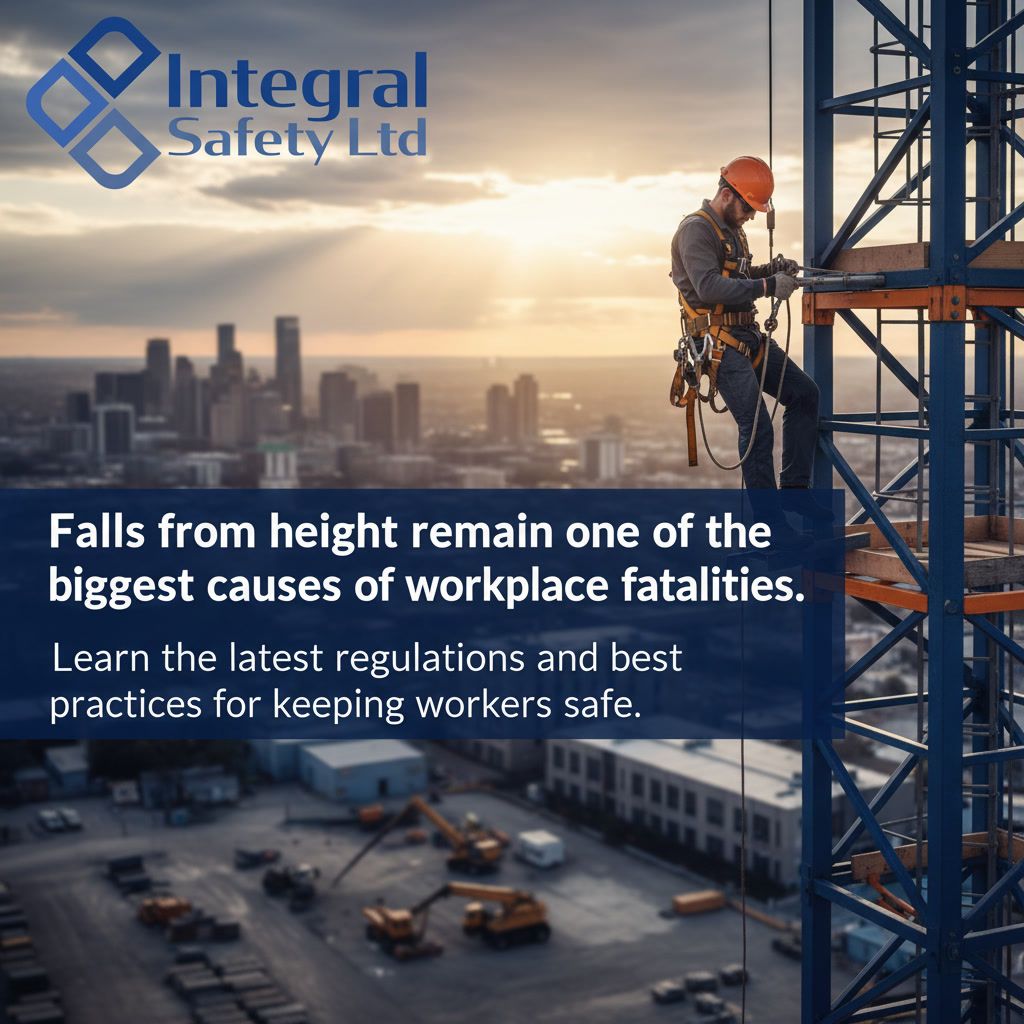
Falls from height continue to be one of the biggest causes of workplace fatalities and major injuries in the UK. In 2023/24, falls from height accounted for a significant proportion of fatal injuries to workers. These tragic incidents are preventable with proper planning, equipment, and training.
What Counts as Working at Height?
Working at height means working in any place where a person could fall a distance liable to cause personal injury. This includes:
- Working on ladders, scaffolding, or mobile towers
- Working on roofs or near edges
- Working near openings or fragile surfaces
- Working at ground level near excavations
The Work at Height Regulations 2005
These regulations require duty holders to:
- Avoid work at height where possible
- Use work equipment or other measures to prevent falls where working at height cannot be avoided
- Where the risk of a fall cannot be eliminated, use work equipment to minimise the distance and consequences of a fall
Planning and Organising Work at Height
Before any work at height begins, ensure:
- The work is properly planned and supervised
- A risk assessment has been completed
- Appropriate equipment has been selected
- Workers are competent and trained
- Weather conditions are suitable
- Emergency and rescue procedures are in place
Choosing the Right Equipment
Select equipment based on the hierarchy of control:
- Collective protection first - guardrails, working platforms
- Personal protection - harnesses, fall arrest systems
- Ladders and stepladders - only for short-duration, low-risk work
Ladder Safety
Ladders should only be used when other equipment is not reasonably practicable and when the risk assessment shows the task is low risk and short duration. When using ladders:
- Ensure they are in good condition
- Position them on firm, level ground
- Secure them at the top or bottom
- Maintain three points of contact
- Do not overreach
Training Requirements
Anyone involved in work at height must be competent. This means they need sufficient training, experience, and knowledge to carry out the work safely. Training should cover:
- Risk assessment for work at height
- Safe use of specific equipment
- Inspection and maintenance requirements
- Emergency and rescue procedures
Integral Safety provides comprehensive work at height training and can help you assess risks and select appropriate equipment for your specific activities.
How Integral Safety Can Help
Need advice specific to your business? Get in touch for a free, no-obligation consultation.
