Fire Risk Assessments: What Every Business Owner Needs to Know
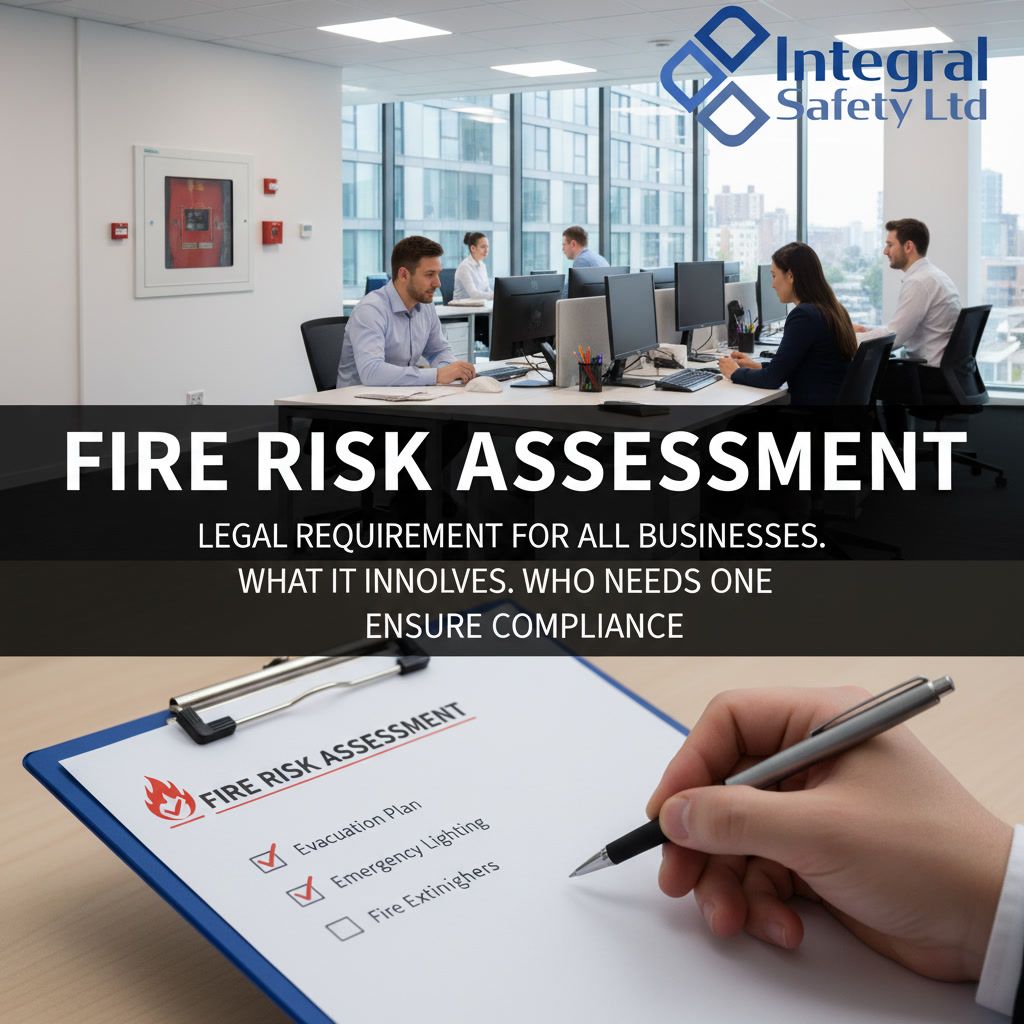
Under the Regulatory Reform (Fire Safety) Order 2005, every business and organisation in England and Wales must carry out a fire risk assessment. This is not just a bureaucratic requirement – it is a fundamental step in protecting your employees, customers, and premises from the devastating effects of fire.
What is a Fire Risk Assessment?
A fire risk assessment is a systematic evaluation of your premises to identify potential fire hazards, determine who might be at risk, and implement appropriate measures to reduce or eliminate those risks. The assessment must be recorded if you employ five or more people, though we recommend documenting it regardless of staff numbers.
Who is Responsible?
The "responsible person" for fire safety is typically:
- The employer, if the workplace is under their control
- The owner or landlord, for shared or common areas
- The occupier, if they have control of the premises
- Any person who has some degree of control over the premises
The Five Steps of Fire Risk Assessment
The HSE and fire services recommend following five key steps:
1. Identify Fire Hazards
Look for potential sources of ignition (heaters, electrical equipment, naked flames), fuel sources (paper, textiles, flammable liquids), and oxygen sources (air conditioning, stored oxidising materials).
2. Identify People at Risk
Consider everyone who might be in the building, including employees, visitors, contractors, and particularly vulnerable individuals such as those with mobility impairments, hearing or visual impairments, or anyone unfamiliar with the premises.
3. Evaluate, Remove, and Reduce Risks
Assess the likelihood of a fire starting and its potential consequences. Implement control measures such as removing or reducing fuel sources, controlling ignition sources, and ensuring adequate fire detection and warning systems.
4. Record, Plan, and Train
Document your findings, prepare an emergency plan, and ensure all staff receive appropriate fire safety training. This includes fire warden training, evacuation procedures, and use of fire extinguishers.
5. Review and Update
Fire risk assessments should be living documents. Review them regularly, particularly after any significant changes to your premises, processes, or staffing levels.
How Often Should You Review?
While there is no set legal timeframe, best practice suggests reviewing your fire risk assessment:
- Annually as a minimum
- After any fire or near miss
- Following significant changes to the building or its use
- When new hazards are introduced
- After changes in occupancy or working patterns
The Consequences of Non-Compliance
Failure to comply with fire safety regulations can result in enforcement notices, prohibition notices (closure of premises), unlimited fines, and in serious cases, imprisonment. More importantly, inadequate fire safety can cost lives.
Professional Fire Risk Assessment Services
While you can conduct a fire risk assessment yourself, many businesses benefit from professional assessment services. A competent fire safety professional brings expertise, objectivity, and up-to-date knowledge of regulations and best practices.
At Integral Safety, our fire risk assessments are thorough, practical, and tailored to your specific premises and operations. We provide clear, actionable recommendations and ongoing support to help you maintain compliance.
How Integral Safety Can Help
- Fire Risk Assessments →
- Fire Awareness Training →
- Accident Investigation Services →
- Health and Safety Consultancy →
Need advice specific to your business? Get in touch for a free, no-obligation consultation.