Fire Safety in Care Homes
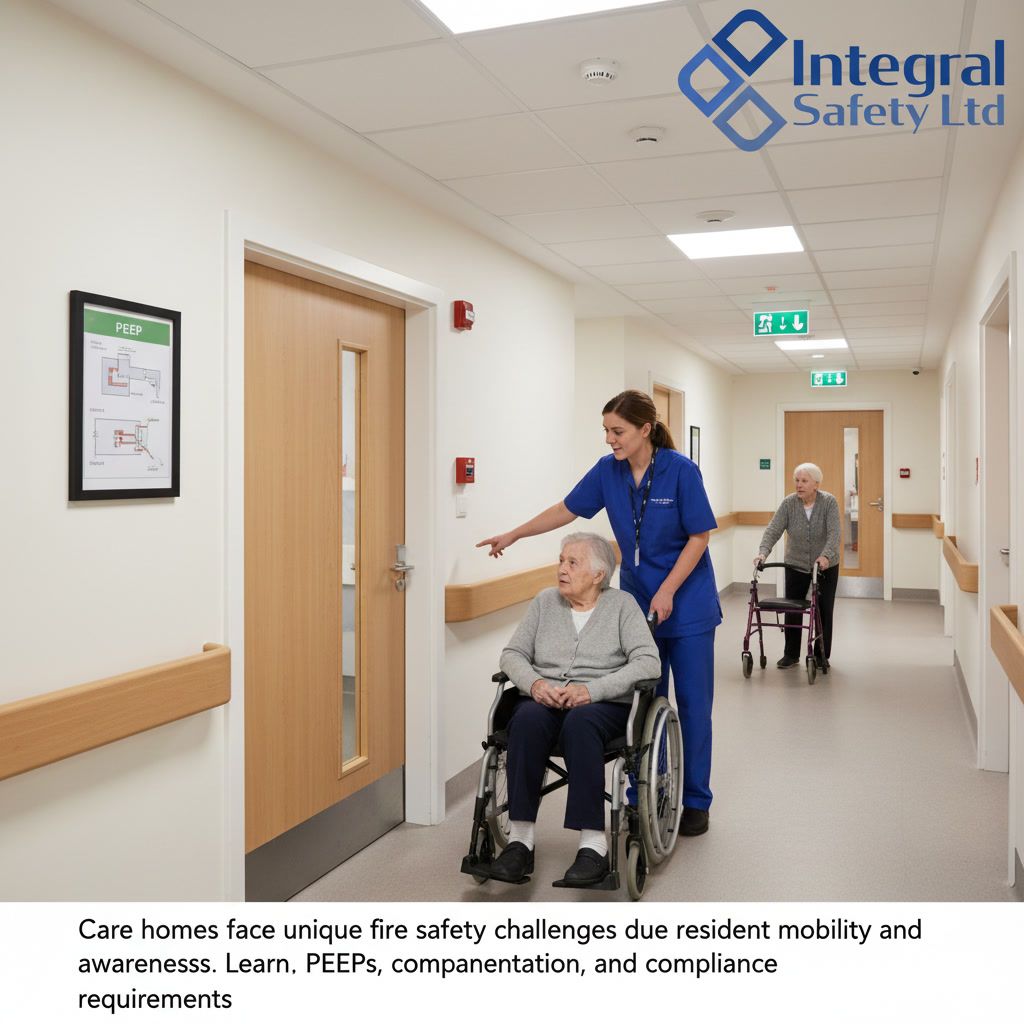
Care homes and other residential settings for vulnerable people face unique fire safety challenges. Residents may have limited mobility, cognitive impairment, or sensory loss that affects their ability to respond to fire alarms and evacuate safely. This makes comprehensive fire safety planning essential.
Regulatory Framework
Care homes must comply with the Regulatory Reform (Fire Safety) Order 2005, as well as CQC regulations and National Minimum Standards. Fire safety is a key area of regulatory inspection.
Personal Emergency Evacuation Plans (PEEPs)
Every resident should have a PEEP that details:
- Their specific evacuation requirements
- Any mobility or sensory impairments
- Equipment needed for evacuation
- Level of assistance required
- Preferred evacuation method and route
Keeping PEEPs Current
PEEPs should be reviewed:
- When a resident's condition changes
- After any incident or near miss
- At least annually
- When staffing levels change
Evacuation Strategies
Care homes typically employ progressive horizontal evacuation or defend in place strategies rather than simultaneous evacuation. This involves:
- Moving residents away from the fire to a place of relative safety
- Using compartmentation to protect residents who cannot move quickly
- Having sufficient trained staff available at all times
Compartmentation
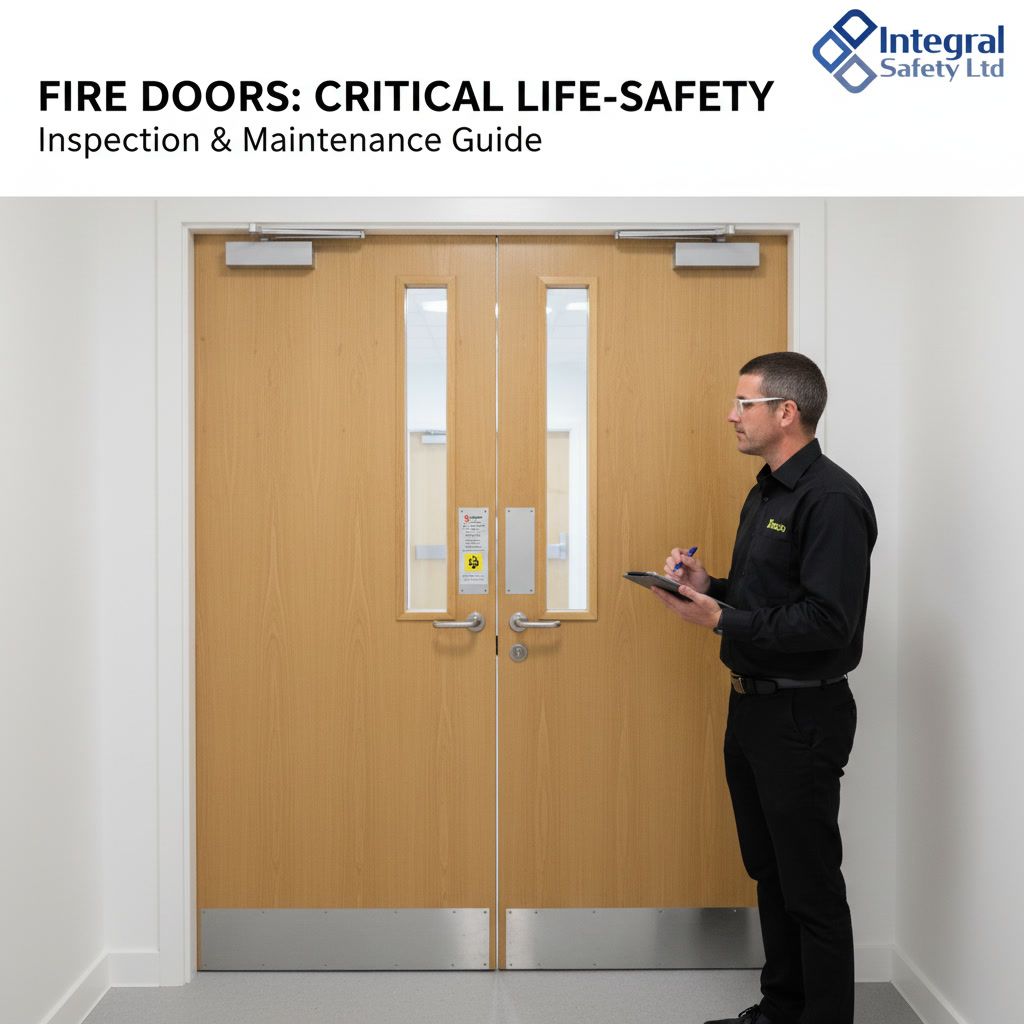
Effective compartmentation is critical in care settings. Fire-resistant walls, floors, and doors divide the building into compartments that contain fire and smoke for a specified period, allowing time for evacuation.
Common Compartmentation Failures
- Fire doors wedged or propped open
- Damaged or missing fire stopping
- Service penetrations not properly sealed
- Ceiling voids without adequate compartmentation
Detection and Alarm Systems
Care homes should have:
- Automatic fire detection throughout
- Alarm systems suitable for residents with hearing impairment
- Staff alert systems for quiet evacuation if appropriate
- Regular testing and maintenance
Staff Training
All staff must receive fire safety training covering:
- Fire prevention measures
- Action on discovering a fire
- Evacuation procedures and PEEP awareness
- Use of evacuation equipment
- Fire extinguisher use (appropriate staff)
Night-Time Considerations
Reduced staffing at night increases risk. Ensure:
- Sufficient staff to implement evacuation
- All staff know the location and use of evacuation equipment
- Regular night-time fire drills
- Enhanced automatic detection
Our care home fire risk assessments take full account of resident needs and regulatory requirements. We provide practical recommendations that balance safety with the homely environment residents deserve.
How Integral Safety Can Help
- Fire Risk Assessments →
- Accident Investigation Services →
- Auditing and Inspections →
- Health and Safety Consultancy →
Need advice specific to your business? Get in touch for a free, no-obligation consultation.